
Côte d’Ivoire is one of West Africa’s fastest-growing and most diversified economies, with sustained GDP growth averaging above 6% annually , a population approaching 30 million , and direct access to a regional ECOWAS market of more than 400 million consumers . Public investment, private capital, and multilateral financing are converging across priority sectors to support industrialization, service expansion, and regional trade integration.
The North West Initiative focuses on sectors where U.S. companies and institutions can engage through scalable, B2B-oriented, and development-aligned partnerships.
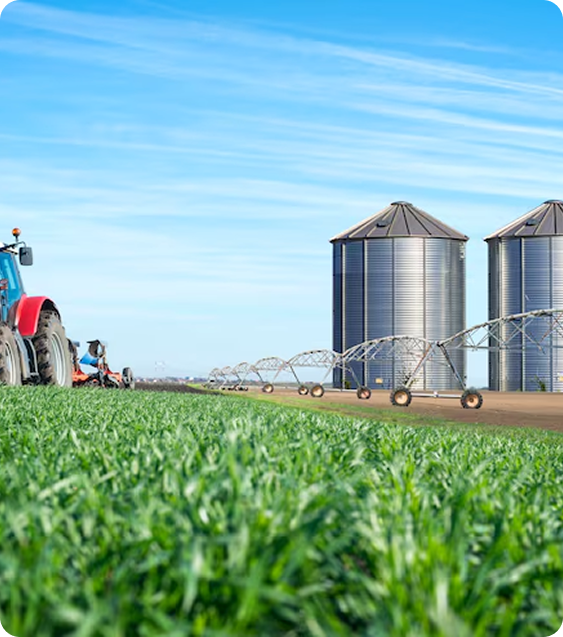
Agriculture contributes roughly 20–25% of national GDP and employs more than 40% of the workforce, making it central to economic stability and rural livelihoods. Côte d’Ivoire is the world’s largest cocoa producer and one of the leading global exporters of cashew, rubber, and palm oil.
National policy increasingly prioritizes value-chain strengthening, including storage, quality control, logistics, processing, and export transformation. While raw production remains strong, post-harvest losses and limited local processing continue to constrain value retention.
Key market signals include:
Key market signals include:
Agri-processing is not isolated manufacturing; it is part of a broader agricultural ecosystem linking farmers, cooperatives, exporters, regulators, logistics firms, and service providers.
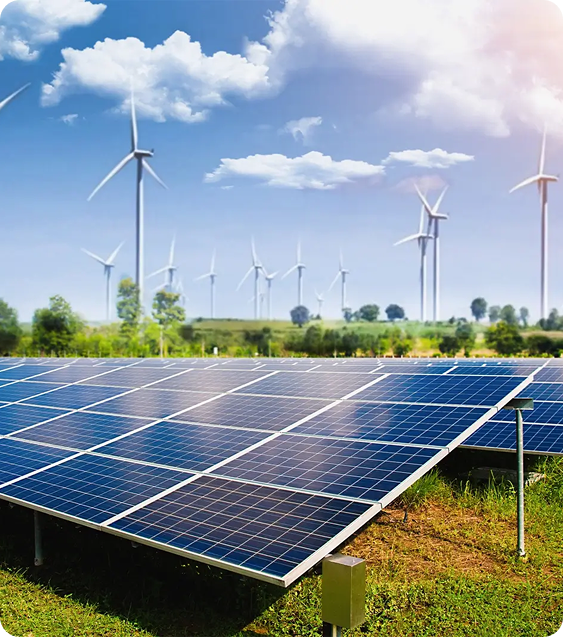
Côte d’Ivoire is a regional energy hub, exporting electricity to neighboring countries while expanding domestic capacity. Installed generation exceeds 2,200 MW, with national plans targeting increased renewable integration alongside natural gas and hydropower.
Energy demand is rising due to population growth, urbanization, digital services, healthcare expansion, and industrial activity. Reliable power is a prerequisite for competitiveness across all sectors.
Key drivers include:
Opportunity areas include:
Energy investment supports households, services, and industry simultaneously, reinforcing inclusive economic growth

Healthcare demand is expanding alongside demographic growth, urbanization, and rising incomes. Côte d’Ivoire is strengthening both public and private healthcare systems, with a focus on access, quality, and system resilience.
Key pressures include:
Market opportunities include:
Healthcare investment directly affects workforce productivity, human capital development, and social stability.
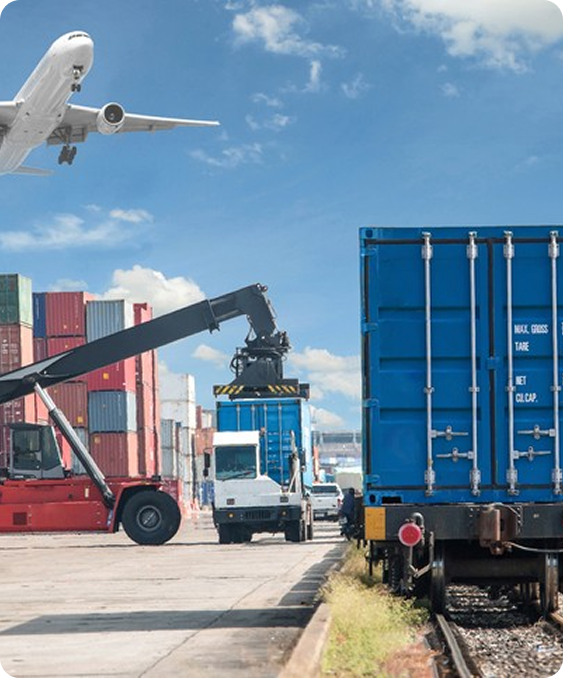
Côte d’Ivoire’s geographic position makes it a logistics gateway for West Africa. The Port of Abidjan serves multiple landlocked countries and is expanding toward a capacity of approximately 1.5 million TEUs , supported by port modernization and corridor development.
Public and private infrastructure investment spans:
Major initiatives include regional transport corridors linking Abidjan to Lagos and inland markets, reducing trade costs and transit times.
B2B opportunities include:
Efficient infrastructure underpins trade, manufacturing, services, and regional integration.

Côte d’Ivoire is a financial center for Francophone West Africa and a leader in digital financial services. Mobile money penetration is among the highest in the region, supporting everyday commerce, SME activity, and cross-border transactions.
Financial sector evolution focuses on:
Opportunity areas include:
A modern financial system enables growth across agriculture, logistics, healthcare, manufacturing, and services.
Digital transformation is accelerating across government, education, healthcare, and the private sector. Côte d’Ivoire’s youthful population is driving demand for connectivity, skills, and digital entrepreneurship.
National priorities include:
B2B opportunities include:
ICT acts as a force multiplier across all economic sectors.


Urban population growth is creating sustained demand for housing, commercial real estate, and community infrastructure. Housing shortages remain significant, particularly in affordable and middle-income segments.
Development priorities include:
Opportunity areas include:
Housing investment supports workforce mobility, social stability, and urban economic growth.
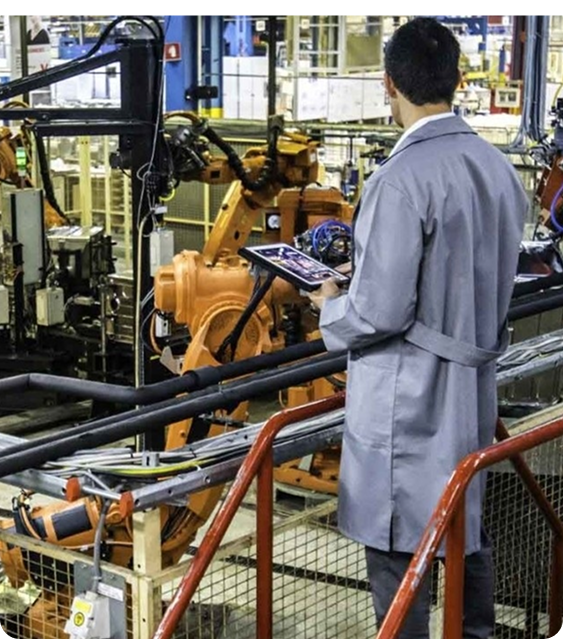
Manufacturing is an emerging pillar within Côte d’Ivoire’s diversified economy, closely linked to agriculture, construction, healthcare, and consumer markets. Policy direction emphasizes gradual expansion of processing, assembly, and industrial services rather than heavy industry.
Priority areas include:
Manufacturing strengthens supply chains, creates skilled employment, and complements service-sector growth rather than replacing it.
These sectors function as an interconnected system. Energy enables industry and services.
Finance supports trade and entrepreneurship. Infrastructure connects producers to markets. Digital tools improve efficiency across all activities.
The North West Initiative works across this integrated landscape, helping U.S. partners understand where their expertise fits, how sectors intersect, and how engagement can support both commercial success and long-term development outcomes.
These sectors function as an interconnected system. Energy enables industry and services.
Finance supports trade and entrepreneurship. Infrastructure connects producers to markets. Digital tools improve efficiency across all activities.
The North West Initiative works across this integrated landscape, helping U.S. partners understand where their expertise fits, how sectors intersect, and how engagement can support both commercial success and long-term development outcomes.
The North West Initiative works with U.S. and Ivorian companies, institutions, and advisors engaged in trade, investment, and development cooperation with Côte d’Ivoire.
For partnership discussions, market exploration, trade missions, or general inquiries, please contact us using the form below.